Rethink & Reuse
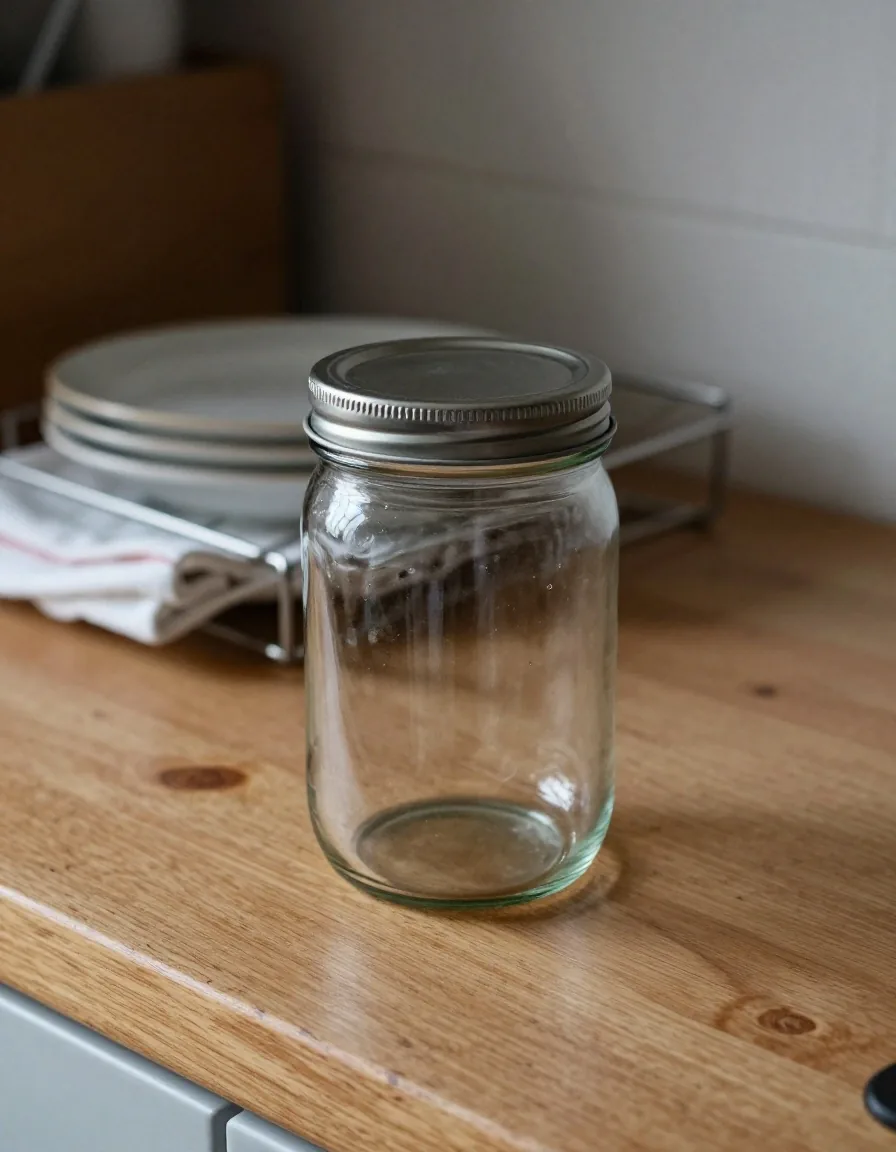
A single glass jar with a lid standing on a well-used wooden kitchen counter, dish rack softly out of focus behind it

Zero waste living in UK homes

Start zero waste living at home

Most UK households throw away far more than they think. Not because anyone is lazy, but because the default systems around us are built for convenience and disposability: wrapped veg, single-use wipes, cheap clothing, takeaway containers. Rethink & Reuse is a practical, independent guide for changing those defaults one room at a time.

Pick your first move

Where your household waste actually comes from

Before you buy a single glass jar, it helps to know what you are dealing with. In a typical UK home the biggest streams are food, often still edible, packaging from groceries, and textiles. Garden waste and bulky items add to it seasonally. Start with food and packaging and you get the largest reduction for the least disruption.

Textiles matter too. UK households send large volumes of clothing to landfill or incineration each year, much of it wearable. That is why we treat repair and repurposing old clothes as a core habit rather than a side project. A mended hem or a reupholstered stool keeps material in use and out of the bin.

Food first, because it is the biggest and easiest win

Planning a few meals, storing leftovers where you can see them, and keeping peelings for stock changes what leaves the house far faster than any reusable straw will. If your bin is mostly packaging instead, sustainable shopping and how to buy in bulk will move the number more.

Browse kitchen swaps

Then clothing and household goods

Clothes, soft furnishings and small furniture accumulate slowly, so they rarely feel urgent. Repairing before replacing, and reusing everyday items you already own, keeps a surprising amount of material out of the bin without spending anything.

See upcycling projects

The order that works

Reduce first, then swap

Zero waste living is often sold as a shopping list. Buying new things to be less wasteful misses the point. Ask what you are throwing away most and what is causing it, and the answer usually points to a system rather than a product.

  1. Step one

    Use what you have

    Empty jars, existing bags, takeaway containers that are still sound. The zero waste starter kit is mostly already in your cupboard.

  2. Step two

    Reduce what comes in

    A bread bin cuts stale loaves. A reusable produce bag stops the plastic bag habit at the till. Systems beat willpower.

  3. Step three

    Replace what breaks

    Only then look at plastic free alternatives. Buy once, when the old thing has genuinely worn out, not as a first move.

Your first month

A realistic first month, room by room

You do not need to overhaul everything at once. Start in the kitchen, because that is where most waste is generated, then move to the bathroom, then to clothing and household goods. Each room has a handful of swaps that pay off quickly.

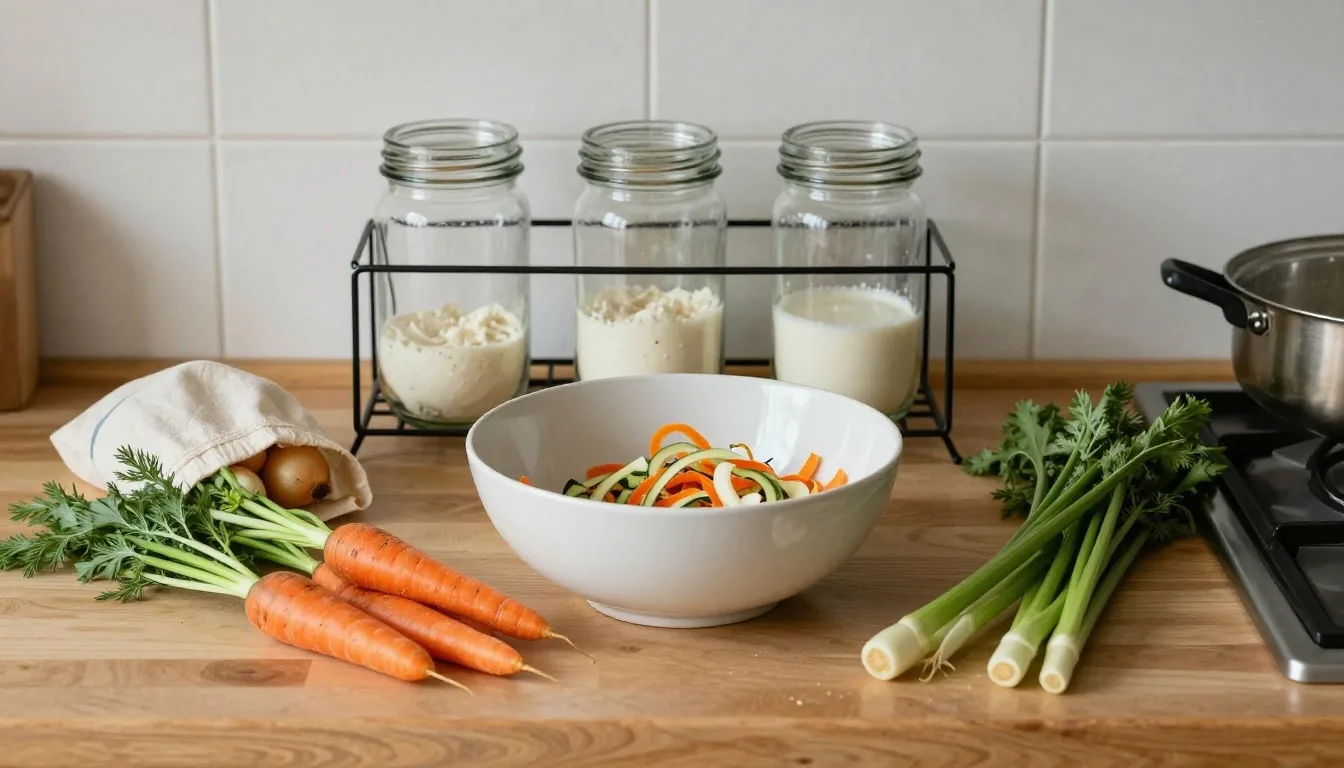
A kitchen worktop mid-task with vegetable peelings in a bowl, glass jars drying on a rack and a cloth bag of loose produce nearby

Week one is food. Week two is packaging. Week three is cleaning. Week four is looking at what is left in the bin.

Week one

Plan a few meals, store leftovers properly, start a scraps container in the freezer.

Kitchen

Week two

Take bags and a couple of containers shopping so packaging never comes through the door.

Packaging

Week three

Retire disposable cloths and wipes in favour of eco friendly kitchen cleaning you can wash and reuse.

Cleaning

Week four

Look at what is left in the bin and adjust. Slower is fine. Consistency beats a dramatic reset that fizzles by February.

Review

A cotton shirt with a neat hand-sewn repair at the elbow resting on a wooden table beside a needle and thread

Repair first. Replace only when the thing is genuinely finished.

Honest boundaries

What zero waste does not mean

The name is aspirational and we are honest about that. Nobody produces literally zero waste, and trying to is a fast route to burnout. The goal is a lower-waste home that is steady and sustainable for your circumstances.

Some plastic will still come through your door. Some weeks you will order a takeaway in a container you cannot avoid. That is fine. Progress is measured over months, not days, and the habits only stick if they survive an ordinary busy week.

  • Buying new kit is the last step, not the first.
  • Imperfect progress beats a reset you abandon.
  • Council collection rules differ by postcode, so check yours.
  • Where a habit is hard, we say so instead of pretending.

Four things this month

Zero waste tips for beginners

If you only do four things this month, do these. Keep them small and repeatable, and build from there. None of them require spending money, and together they cut food waste, packaging, and the temptation to buy storage you do not need.

Food waste

Keep a scraps container in the freezer for vegetable peelings you will turn into stock.

Packaging

Put reusable bags and a couple of containers by the front door so they leave the house with you.

Kitchen

Set one shelf in the fridge as eat first and move older items onto it as the week goes on.

Storage

Wash and dry glass jars as you empty them, then store dry goods in them instead of buying containers. It is the simplest answer to how to upcycle glass jars.

Choosing your next step

Follow the smell of your own bin

The hardest part of low waste living is deciding what to tackle. A useful rule: whatever is making your bin full or your kitchen cluttered is probably what to fix next. You can also work backwards, picking one thing you buy regularly and would like to stop buying, then finding the guide that covers it.

We keep the site small on purpose, so the path from question to answer stays short. Every guide is written to stand alone, so you can read one page and act on it without reading the others first. Cross-links appear where one habit connects to another.

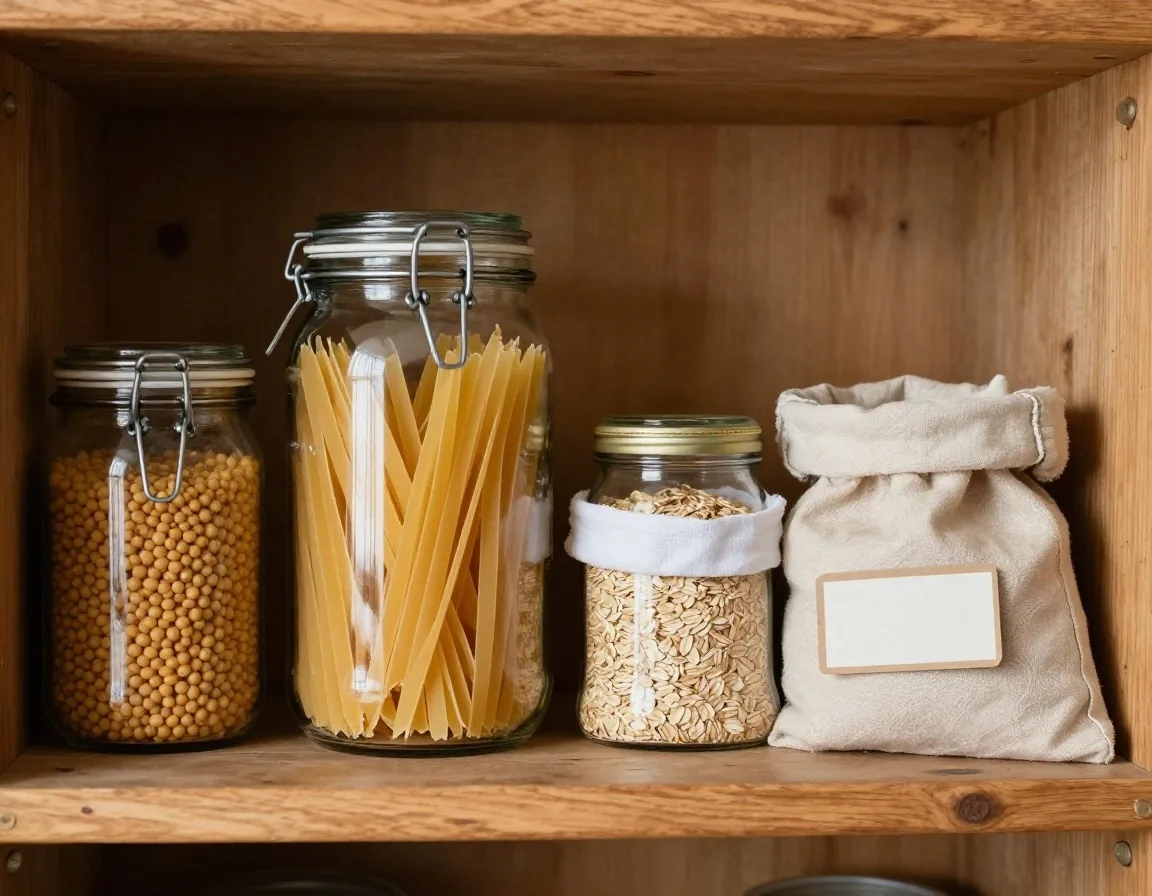
A large glass jar of dried pasta and pulses on an open pantry shelf beside a cloth bag of loose oats

Refill aisles reward a little planning, not a lot of kit.

How we write it

No lectures, no sales pitch

There is plenty of zero waste content online that feels like a lecture or a hard sell. We aim for something plainer: what the problem is, what to do about it, and what to expect. Where science or waste data matters we say so and keep it simple. Where something is a matter of preference, we say that too.

Rethink & Reuse is independent. We do not take payment to recommend products and we do not claim certifications we do not have. If a habit is difficult we flag the difficulty rather than pretending it is effortless. Everything here is written for real homes with real constraints: small kitchens, busy weeks, and council collection rules that differ by postcode.

Common questions

Before you start

Do I need to buy special zero waste products to start?
No. The first changes use what you already own: jars you have emptied, bags you have, containers from takeaway. Buying new kit is the last step, not the first, and only when something has genuinely worn out.
Is zero waste living expensive?
It can be cheaper. Reducing food waste and buying staples in bulk usually lowers the monthly shop. Some reusable items cost more upfront but replace repeat purchases over time. We flag anything that is a poor value trade-off.
I live in a flat with no garden. Can I still compost?
Yes. Indoor systems such as bokashi or a small wormery handle food scraps without outdoor space. The composting guide covers the options and the smells to expect, and beeswax wraps usage and care follows a similar in-flat logic.
How long before I notice a difference?
Most people see their bin fill more slowly within a few weeks of starting with food and packaging. Clothing and household goods take longer because they accumulate slowly. Sustainable lifestyle habits are built over months, not days.
Start where your household actually is

If you are new to this, read the Zero Waste Starter Guide first. If you already know your priorities, jump straight to the guide that matches what is filling your bin. Every page stands on its own, and the contact page is open if something on your council's collection list puzzles you or a swap has not worked in your home.

Email
[email protected]
Phone
+44 20 7946 0731
Post and hours
42 Bramley Road, London, N14 4HR. Monday to Friday 9:00 AM to 6:00 PM, Saturday 10:00 AM to 2:00 PM.