A tired wooden stool
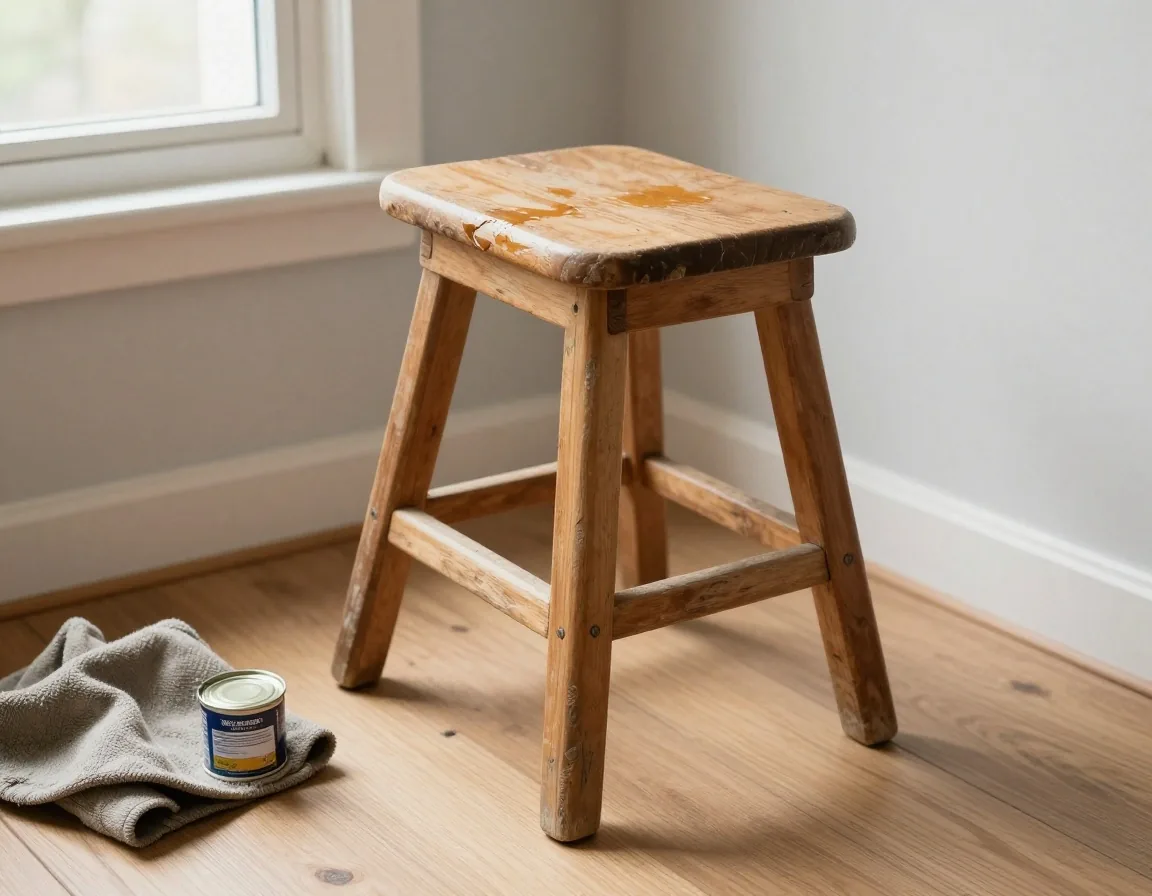
Sand it back, wipe off the dust, then rub in a thin coat of oil. An afternoon's work and no new furniture. If a leg wobbles, tighten or re-glue the joint before you oil anything — the finish will not fix a loose leg.
Upcycling projects and ideas
Upcycling takes something you'd otherwise bin and turns it into something you'll actually use. That's the difference between it and recycling, where material is broken down and remade. Here the item keeps its form and gets a new job — and it is one of the most satisfying zero waste habits, because you see the result and you spend nothing.
The projects below use items most UK homes already have: glass jars, old clothes, furniture, tins. None need specialist tools, and each can be finished in an afternoon.
It's worth being clear about this, because the two get used interchangeably. Recycling breaks a material down into raw form so it can be made into something new, which usually takes energy and processing. Upcycling keeps the item largely intact and simply gives it a new purpose. Both keep things out of landfill, but upcycling uses less energy and often more imagination.
If the material gets broken down
If the item keeps its shape
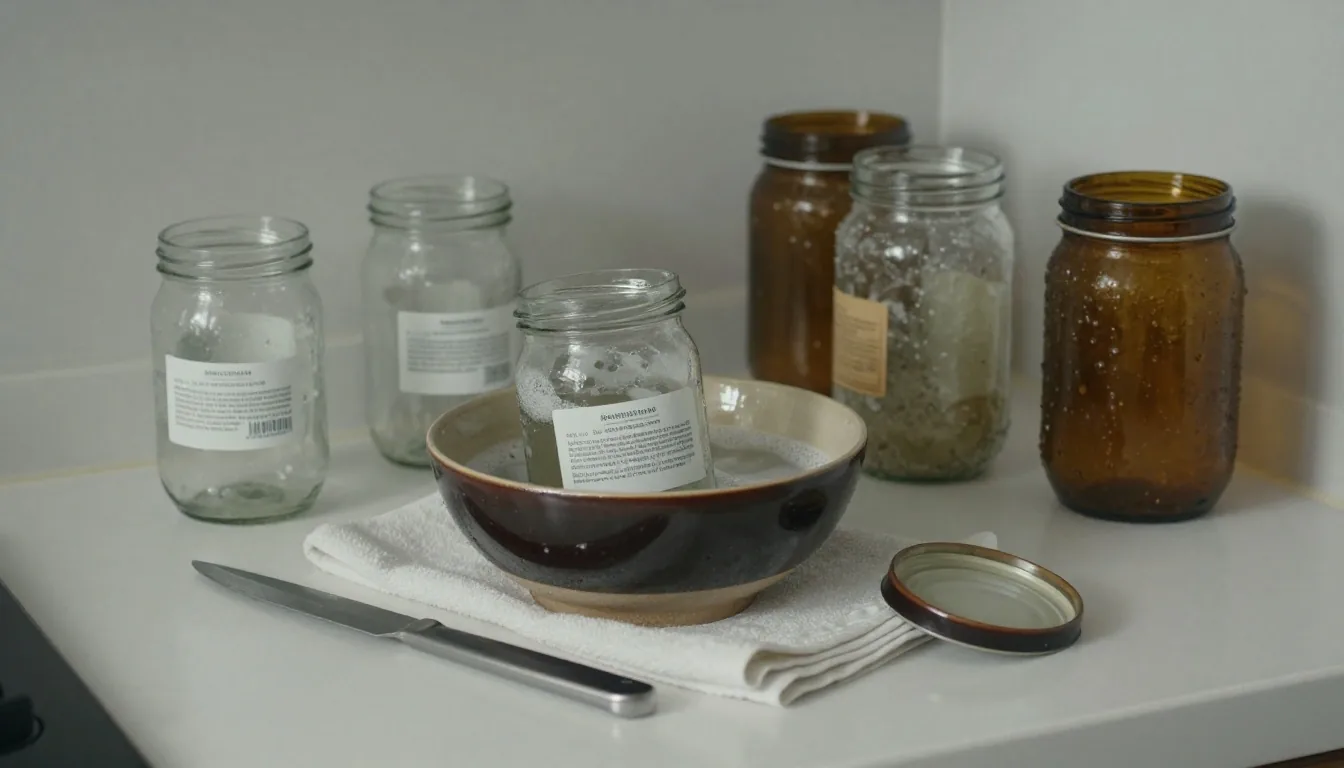
A jar pile is the easiest place to start: soak, scrape, dry, reuse.
Most UK kitchens collect more jars than they can fill. That pile is a free supply of storage, and every one you keep is a container you don't buy.
Start with the jar pile
Glass jars are the easiest starting point, and they pile up in every kitchen. The first job is removing the label, and that is the only step that genuinely needs patience.
Step one
Soak the jar in warm soapy water for ten minutes.
Hot water softens the glue before you touch it.
Step two
Scrape the paper off with a blunt knife.
A butter knife is enough. Sharp blades scratch the glass.
Step three
Lift leftover adhesive with a little cooking oil.
Oil breaks the tack so the residue wipes away.
Step four
Wash, rinse, and dry completely before filling.
Any damp left inside will spoil dry goods.
Step five
Decide what the jar is for now, then finish it that way.
A rusty lid can be swapped for a cork or a fabric cover.
Step six
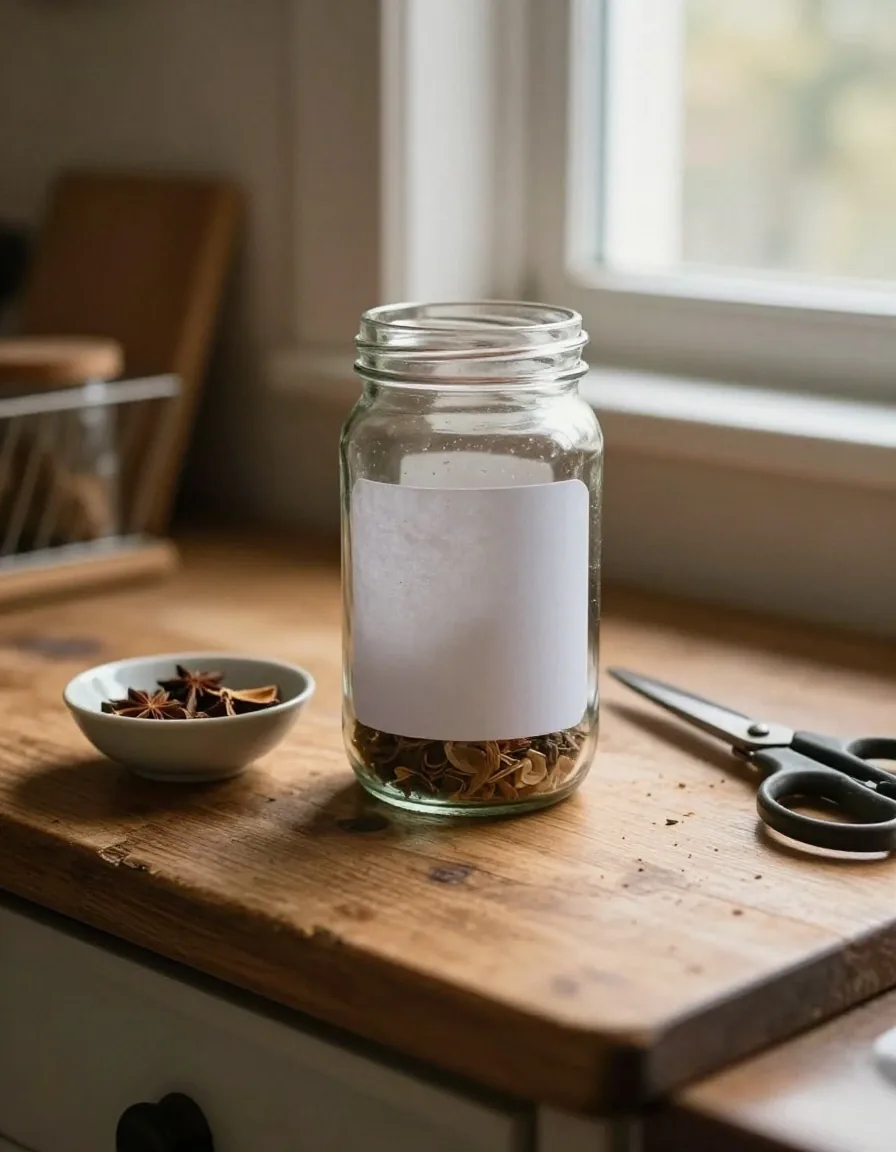
Add a label you can read at a glance.
Masking tape and a pencil works; so does a chalk pen.
Rice, lentils, oats, herbs and homemade sauces all store cleanly in glass. Clear jars also make it obvious when you are running low, which cuts duplicate buying.
Tall jars hold stems; shorter ones take a tea light. Painted, wrapped in twine, or left bare, they suit a windowsill better than a shop-bought holder. Take the label off properly first, or the residue will show through the paint.
Larger jars make good storage for screws, buttons, wall plugs and craft supplies. Screw the lid to the underside of a shelf and the jar hangs out of the way, kept by its own lid.
Before it becomes a project
Clothing is one of the biggest waste categories in UK homes, and much of it is still wearable. Before it becomes a project, check whether it could be repaired, altered, or passed on. Upcycling is for the items that are genuinely past their first life.
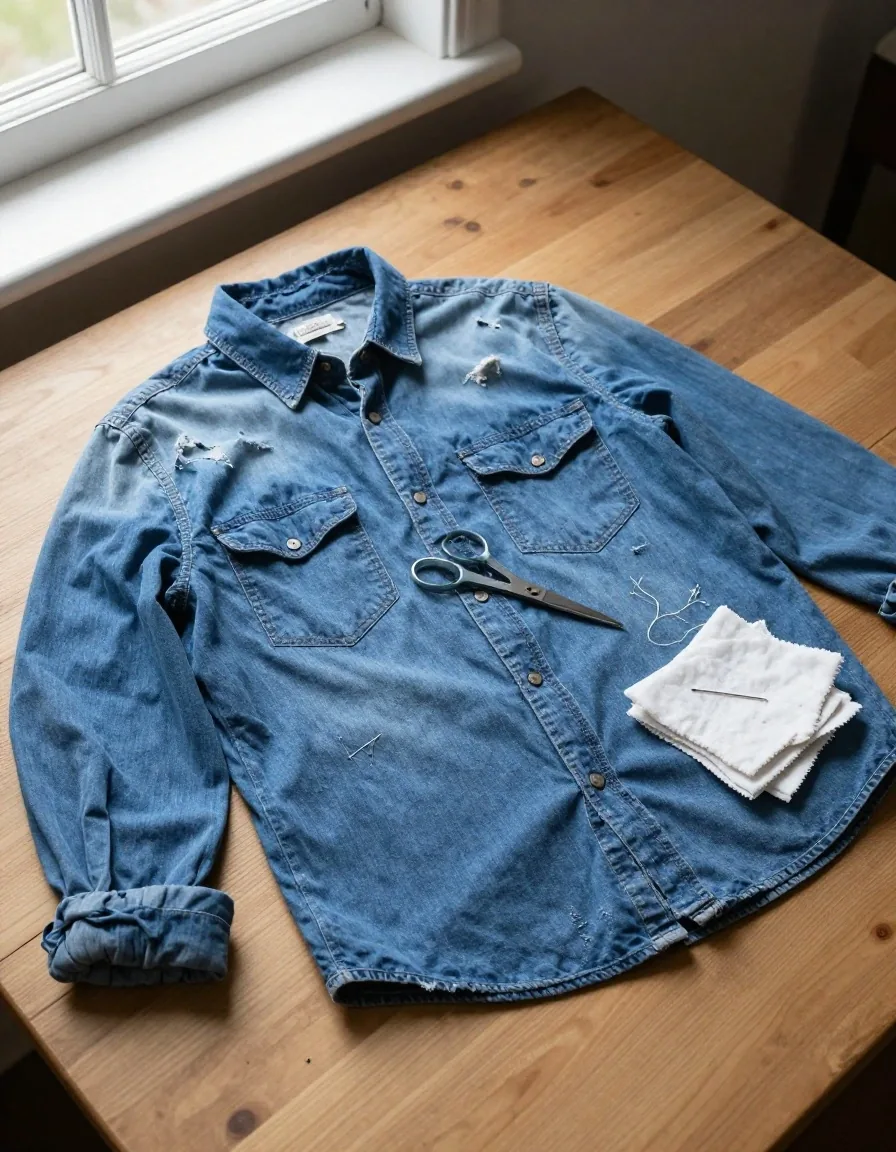
Worn cotton shirts make excellent cleaning rags once cut up. Denim is tough and works for patches, tool rolls, or a sturdy tote. Old knitwear can be felted in a hot wash and turned into cushion covers or coasters. Even a single odd sock has a use as a plant tie or a draft excluder. No sewing machine needed for most of these — just scissors and a needle.
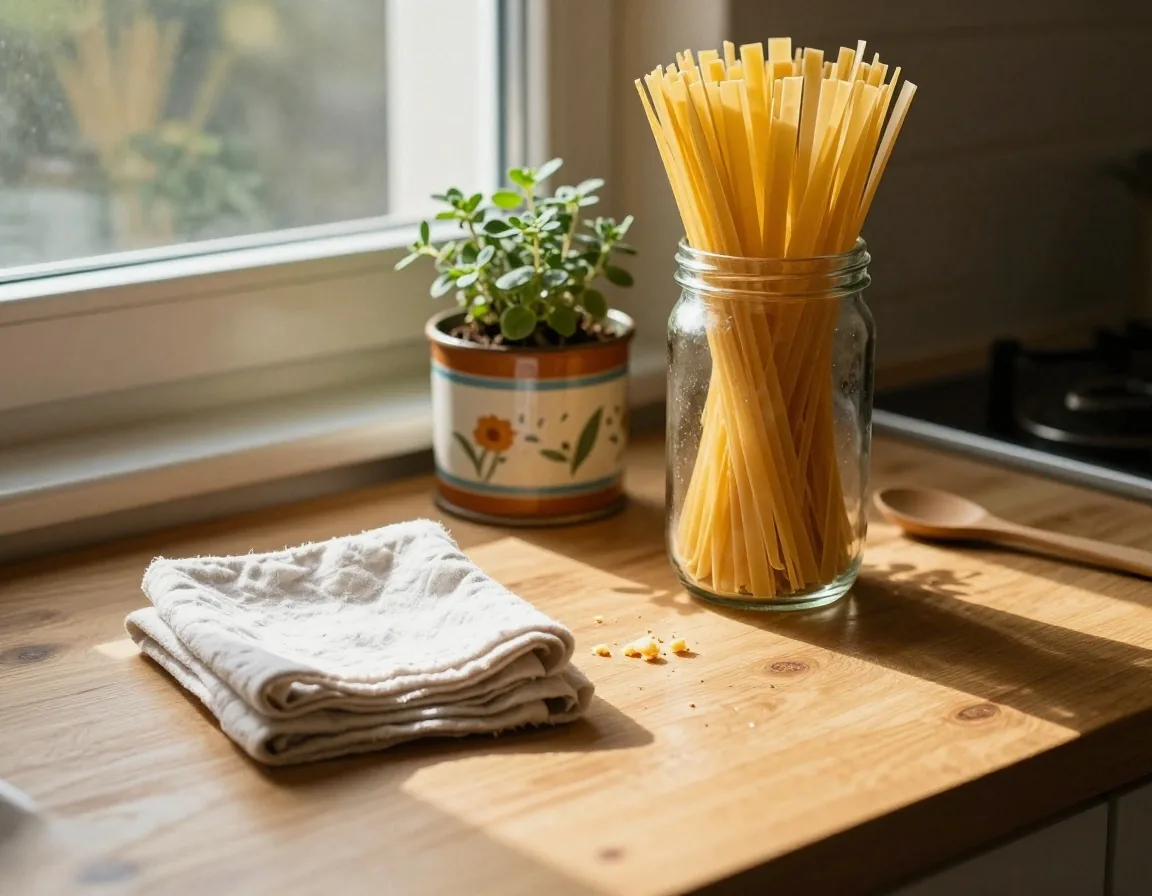
Worn cotton shirts — cut into cleaning cloths, hem them if you want them to last through the wash.
Denim — patches, tool rolls, a sturdy tote. The seams are already strong, so keep them.
Old knitwear — felt it in a hot wash, then cut for cushion covers or coasters. No fraying.
Odd socks — plant ties, draft excluders, or stuffing for a cushion you were going to throw out.
Work with what the piece already is
Furniture and small household items are where upcycling gets visible. The rule is to work with what the item already is rather than fighting it. If a table has good legs but a bad top, keep the legs. If a chair is comfortable but ugly, cover or paint it. This approach is cheaper than replacing furniture and keeps serviceable items in use.
Sand it back, wipe off the dust, then rub in a thin coat of oil. An afternoon's work and no new furniture. If a leg wobbles, tighten or re-glue the joint before you oil anything — the finish will not fix a loose leg.
Clean it, check the rim for sharp edges, then paint or wrap it. It becomes a utensil holder or a planter, and a ring of holes punched in the base turns it into a proper plant pot. Tin takes most household paints well.
Repaint the frame to suit the room and swap the picture. Glass gets cleaned, corners get touched up, and the whole thing costs a tin of paint rather than a new frame.
Start small, finish something
If you're new to this, start small and finish something. A finished small project builds more momentum than a grand one that sits half-done for months. These four take under two hours each, and each gives you something useful at the end. Once they feel easy, move to bigger pieces.
Turn a clean jar into a spice or herb container. One jar, one label, ten minutes of soaking.
Cut a worn t-shirt into cloths. Straight lines are fine; they fray a little, then stop.
Paint a tin can as a plant pot or pen holder. Punch drainage holes if it is going near soil.
Recover a cushion with fabric from old clothing. One straight seam along the open edge is all it needs.
Sometimes no project is needed
Not everything needs a project. Some items can simply be reused as they are, which is the least effort of all. The habit to build is pausing before you bin something and asking what it could do next. That pause is the whole skill. Most of the time the answer is obvious, and occasionally it leads to a project worth showing off. Either way, the item stays in use a little longer.
Cardboard
A sturdy box becomes drawer storage or a shoe box divider.
Glass bottle
Rinse it and it is a water carafe for the table or the bedside.
Shoe box
Cut down the sides and it organises a drawer of cables or tools.
Takeaway tubs
Keep the good ones for leftovers and for seed trays in spring.
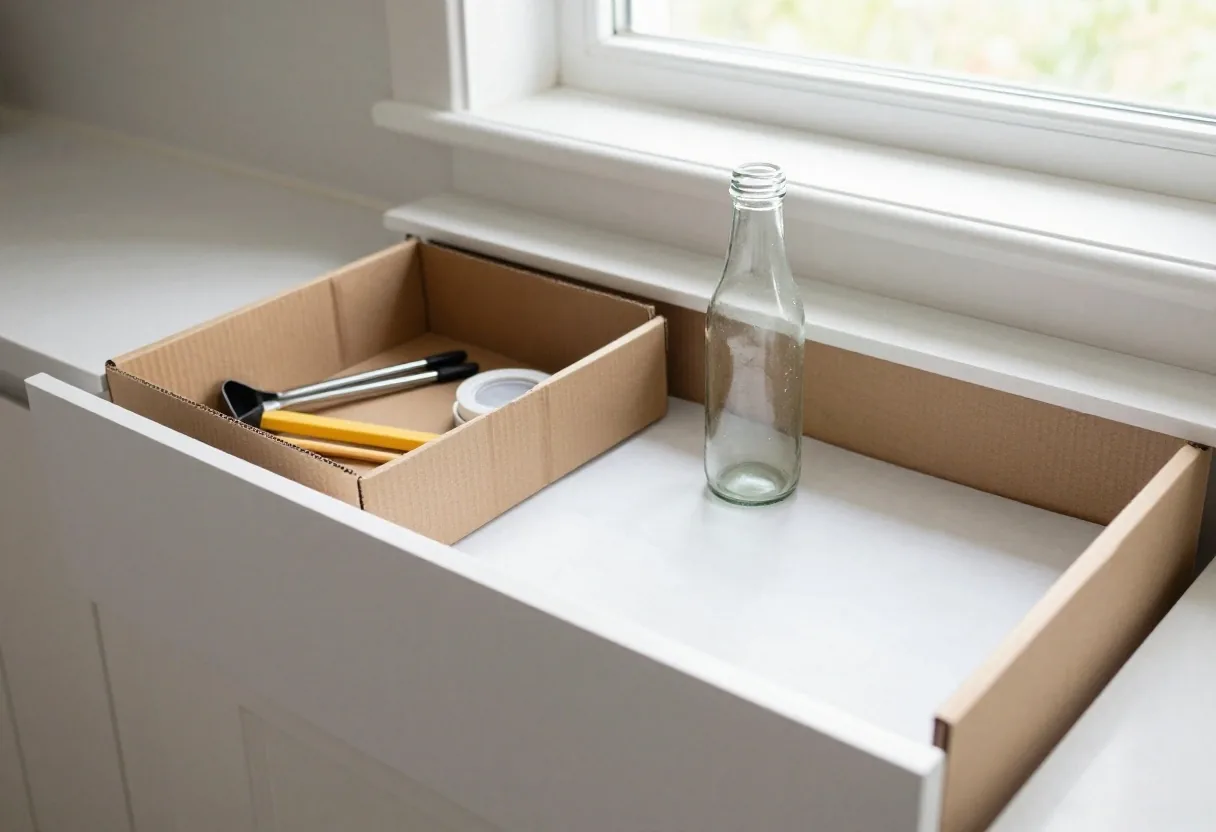
Keeping a glass bottle in use is the lowest-effort habit on this page. It costs nothing and it replaces a purchase.
Cheap and free sources
Charity shops, freecycle groups, and neighbourhood sharing apps are good sources for cheap or free items to work with. Offcuts, fabric, and furniture get passed on constantly. You don't need to buy anything new to get started.
If you make something, tell us. We like featuring reader projects and passing on ideas that worked. Send a note with a description or a photo, and it helps other people see what's possible with what they already own.
Charity shops — furniture, fabric, tins and jars move through quickly. Ask about the back room.
Freecycle and sharing groups — offcuts and surplus materials get offered locally most weeks.
Neighbours and repair cafés — one person's broken stool is another person's good legs.
Short answers to the three things that come up most when someone is picking their first project.
Most beginner projects need only scissors, a needle, and some sandpaper. Save power tools and sewing machines for when a project genuinely requires them. Buying kit before you have a use for it just moves the clutter from one shelf to another.
Glass jars. They're free, plentiful, easy to clean, and work for storage, decor, or gifts. One finished jar teaches you the whole process — soak, scrape, clean, decide, use — and every jar after that is quicker.
Often not. Upcycling works best when it uses what you already have. If a project needs a lot of new materials, it may cost more than buying the finished item — and the point is to use up what is already sitting in your cupboards.
Start with the jar pile or the drawer of odd socks. When you want the wider habit alongside it, the kitchen swaps and shopping guides cover the rest of the house.