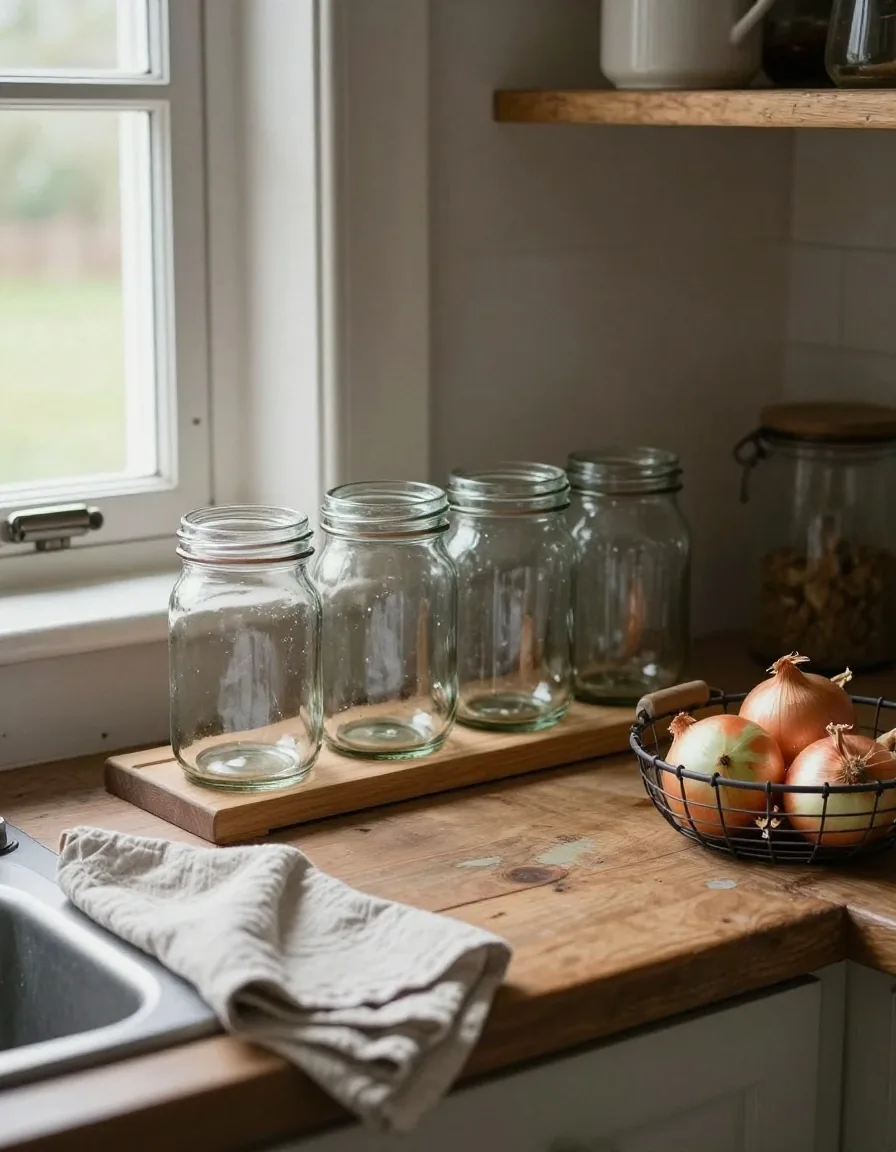
Jars collected as they empty, not bought as a set.
Zero waste kitchen swaps
Kitchen swaps that cut plastic waste
The kitchen is where most household waste starts, and where the easiest wins live. You don't need a minimalist pantry or a shelf of matching containers. You need a handful of swaps that remove the disposables you use most, plus the know-how to keep the replacements clean and working.
Everything here is designed for normal UK kitchens with limited cupboard space.
Do the fast-moving disposables first
Most low waste home guides open with a long shopping list. This one opens with your bin. Watch what you throw away for a week and the pattern is usually the same: something that touches food, gets used once, and goes out again. Those are the items worth replacing first, because every swap removes a repeating line of waste rather than a one-off item.
The replacements in this guide are ordinary, repairable things — cloth, glass, stainless steel, waxed cotton. They suit a small kitchen because they stack, nest, and do more than one job. Nothing here asks you to rebuild your cupboards.
Three swaps, biggest effect
The swaps worth making first
Start with the disposables you get through fastest. For most households that's cling film, kitchen roll, and plastic bags. These have cheap, durable replacements that pay for themselves within a few months.
Currently in the bin
Cling film
Gives way to beeswax wraps, lidded containers, or a plate on top of a bowl. Nothing sticks to a plate, and a plate is already in the cupboard.
Replace once,
reuse daily
Currently in the bin
Kitchen roll
Gives way to a stack of washable cloths. Ten cloths in a drawer handle spills, wiping, drying salad, and the worktop at the end of the day.
Washed,
not binned
Currently in the bin
Thin plastic bags
Give way to reusable produce bags and a couple of sturdy totes. Two totes that carry properly beat a drawer of flimsy ones.
Bought once,
carried years
Do these three and you've removed a steady stream of single-use items from your bin. They are also the cheapest zero waste tips for beginners, because you are replacing something you already buy every few weeks rather than adding a new purchase to the list.
Where to buy plastic free alternatives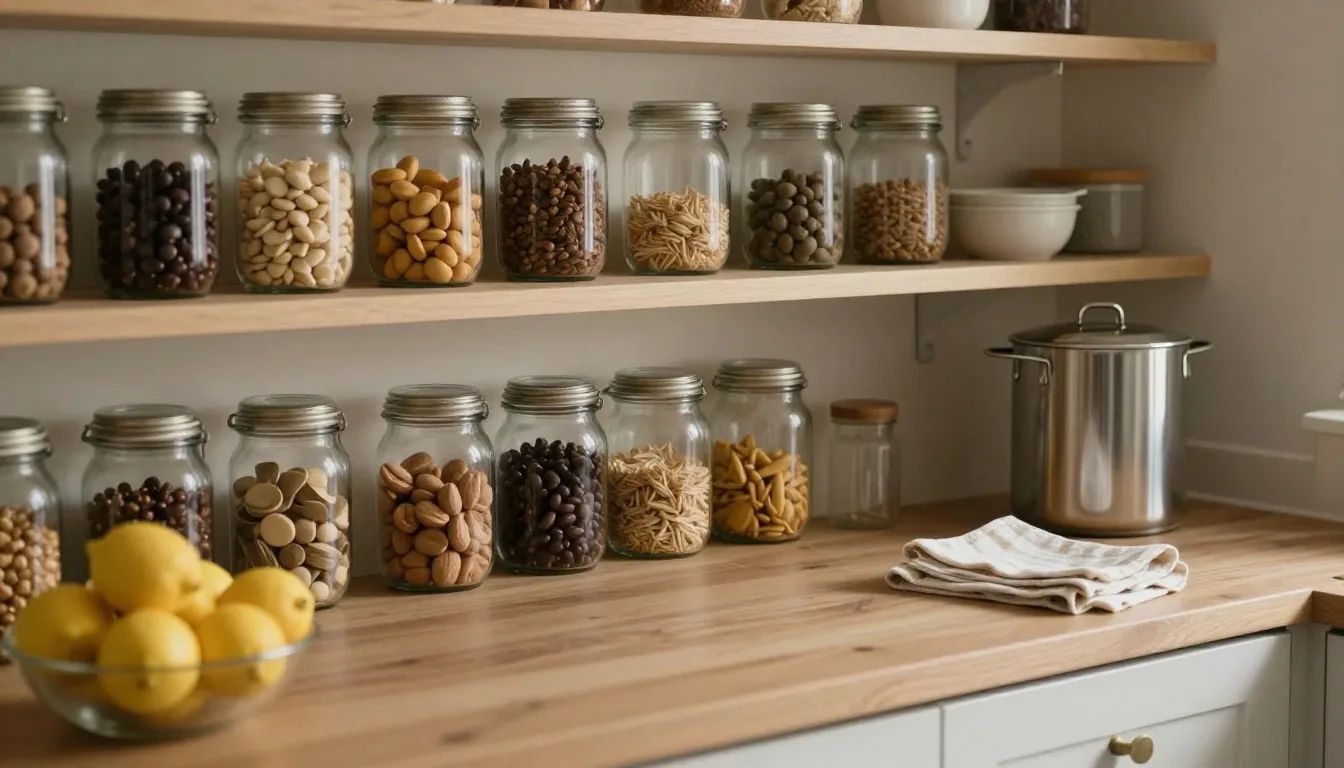
Refilled jars do the same job as packaging, and you can see what you have.
Food storage
Plastic free food storage that actually works
Reusable storage only helps if food stays fresh. The right container depends on what you are keeping and for how long, so it is worth matching the material to the job instead of buying one set for everything.
Glass jars with lids
Excellent for dry goods, leftovers, and sauces, and they don't hold onto smells the way plastic does. Collect them as you empty them rather than buying a set. A jar that held pasta sauce is the same jar that will hold the next batch of pasta.
Best for: rice, oats, leftovers, sauces
Steel and clip-lid glass
For fridge and lunchbox use, stainless steel containers or glass with clip lids work well. Steel survives being knocked about in a bag; clip lids keep a seal when a tub goes into a rucksack.
Best for: packed lunches, fridge shelves
Label what you freeze
An unmarked tub is how food gets forgotten and thrown out. A strip of paper tape and a pencil costs nothing and saves a whole meal.
One habit, less waste
Beeswax wraps suit cheese, half a lemon, or a bowl of leftovers, but they are not for raw meat. If you are building a pantry from scratch, the zero waste starter kit walks through the shelf of sustainable home essentials worth owning and the ones you can skip.
Zero waste starter guideUsage and care
Beeswax wraps: usage and care
Beeswax wraps are a reusable alternative to cling film. A wrap feels stiff when you first pick it up and softens in your hands. Once warmed, it moulds around a bowl or the cut face of a vegetable and holds there.
They are best for short-term storage, a day or two in the fridge, and they lose their grip on anything wet or warm. Give them a try on a covered bowl of leftovers and you will feel the difference immediately.
Cool water only. Wipe with cool water and a little mild soap, then air dry. Hot water melts the wax and ruins the wrap, so keep them away from the dishwasher and the kettle.
Two days at a time. A wrap is short-term storage. Cheese, a half lemon, or a bowl of salad covered overnight is the everyday use.
About a year, then a second life. With reasonable care a wrap lasts around a year, and when it finally gives up you can refresh the wax or compost the cotton.
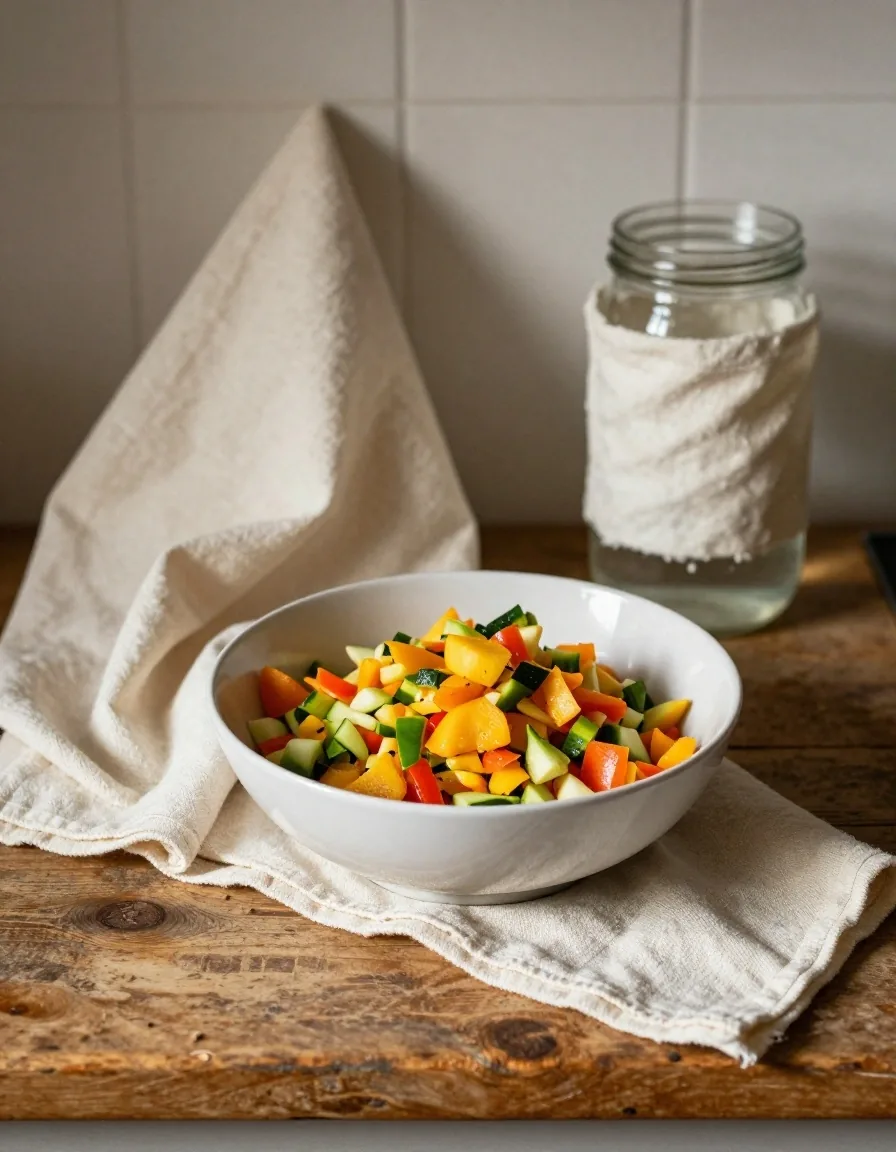
Raw meat is the one thing a wrap should never touch. Use glass or stainless steel you can wash thoroughly.
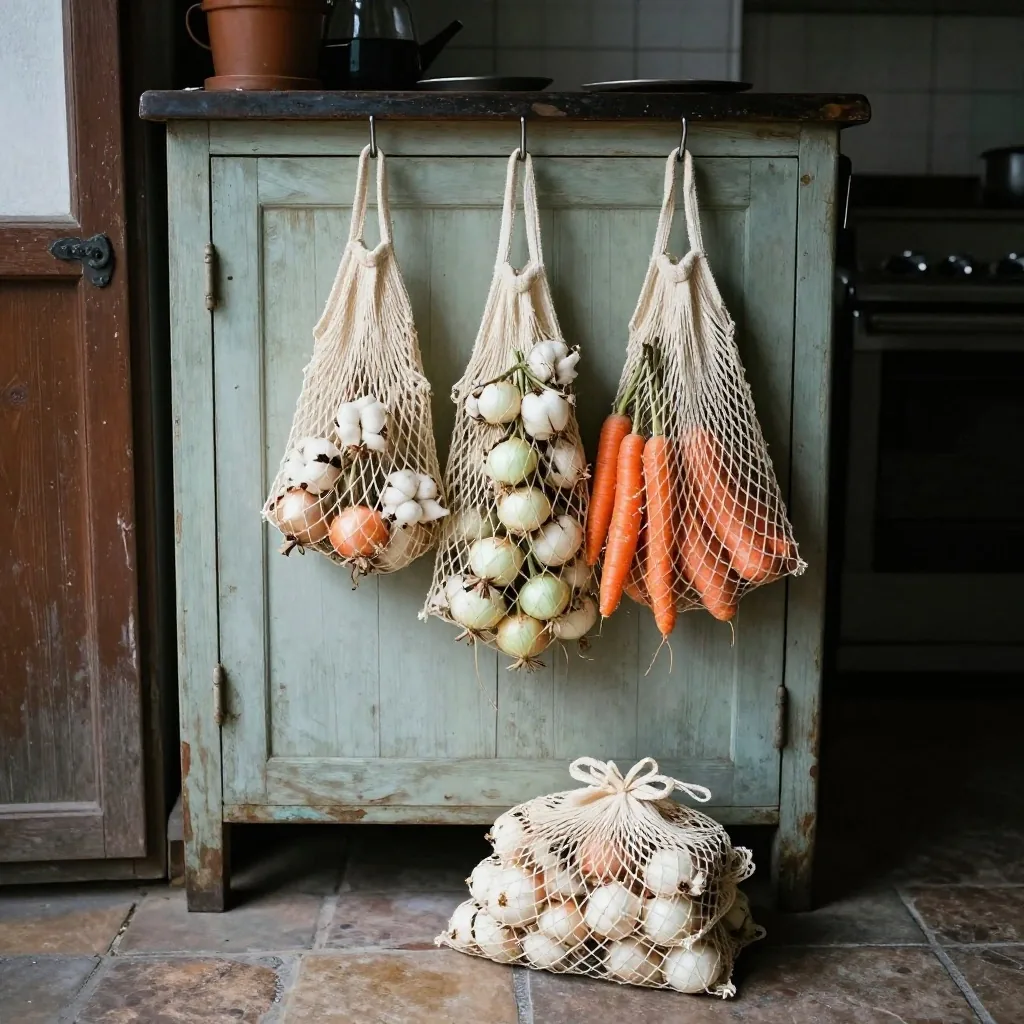
Mesh for airflow, cotton for everything else.
Reusable produce bags guide
Reusable produce bags and how to use them
Produce bags replace the thin plastic bags on the supermarket veg aisle. Cotton or mesh versions let you buy loose fruit and veg, weigh it, and skip the packaging. Keep a few in your shopping bag so they're there when you need them — the bags that fail are the ones still in the kitchen drawer.
Mesh bags suit items that need airflow, like mushrooms or onions, because trapped moisture shortens their life. Cotton bags work for most other produce and for the bakery counter.
Weigh them once if you're using a self-service till, since some systems let you subtract the bag weight. A small detail, but it saves the awkward moment at the checkout.
Sew your own bag from old clothCleaning
Cleaning without the plastic
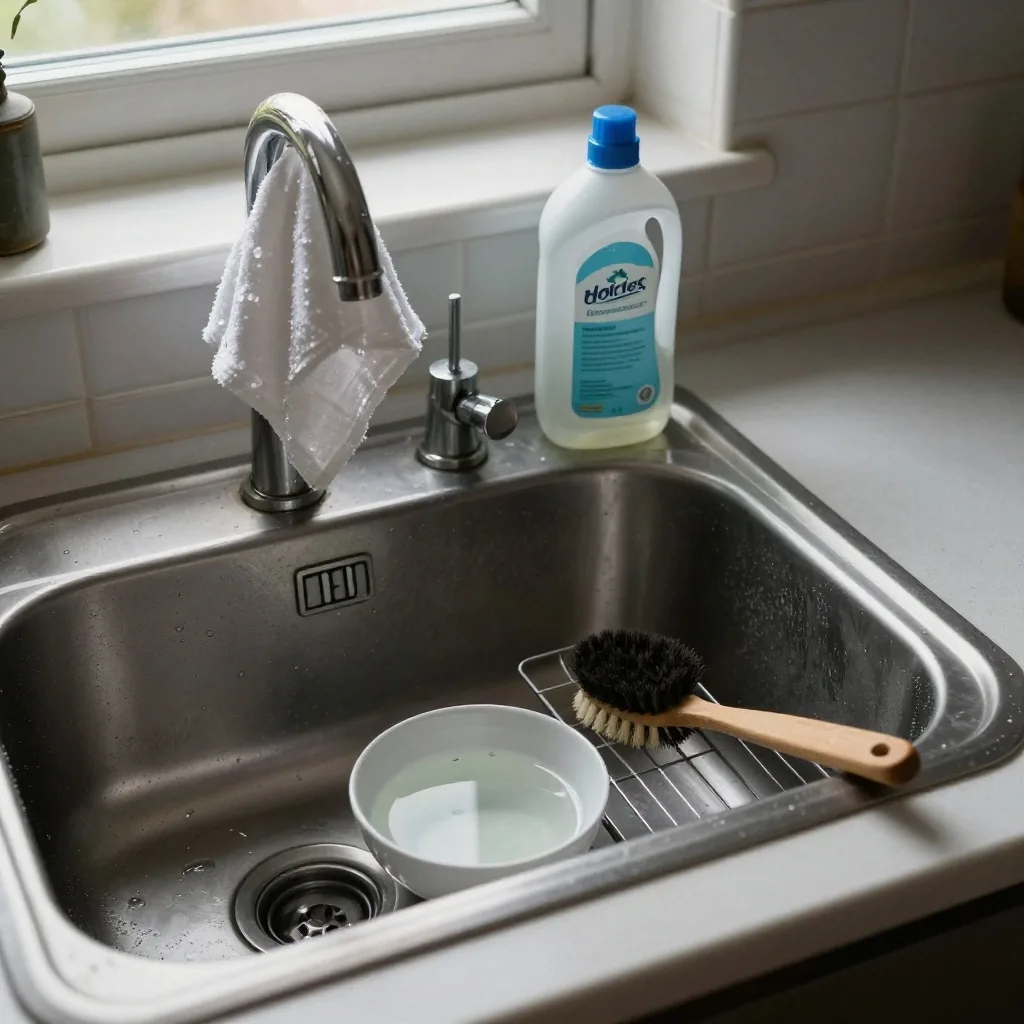
Eco friendly kitchen cleaning is mostly about avoiding disposables and choosing refillable or low-packaging options. Washable cloths replace kitchen roll. A refillable washing-up liquid cuts bottle waste. A simple spray of vinegar and water handles most surfaces without a shelf of products.
- Sponges
- Look for plant-based or compostable versions, and swap them out when they smell rather than waiting for them to fall apart.
- Cloths
- Microfibre is effective but sheds plastic when washed. Natural fibres are the better choice if you're avoiding plastic in your home.
- Surface spray
- Vinegar and water in a reused bottle covers worktops, tiles, and the inside of the fridge. It is cheap, and there is nothing to throw away but the lid.
Buying in bulk
Buying dry goods without packaging
Refill and bulk shops let you bring your own containers for rice, pasta, flour, oats, and spices. It's often cheaper than packaged equivalents and always less wasteful, because you only buy the amount you need.
Bring your own jar
Take a clean, dry jar with a lid. Lids matter more than shape — a jar without a lid will spill in the bag on the way home.
Weigh it empty
Have the jar weighed before you fill it so the shop can subtract the container from the total. Most write the weight on the lid or hand you a sticker.
Fill, pay, decant
Fill from the hopper, pay for contents only, and top up the kitchen shelf when you get home. The jar stays in the rotation.
If refill shops aren't near you, larger bags of staples reduce packaging per serving, even if they're plastic. Decant into your jars at home and reuse the bags where you can. For a fuller comparison of where and how to buy, the sustainable shopping guide goes deeper on local options, weighing, and what refill actually costs.
See sustainable shopping tipsMaintenance
Keeping the routine going
A low waste kitchen needs a bit of upkeep. It's the small routines that hold the whole thing together, and none of them take much time once they're habits.
If a swap isn't working for your kitchen, change it rather than forcing it.
Wash cloths regularly
Damp cloths left in a pile become a hygiene problem fast. Rotate them, wash at a warm setting, and keep a fresh set in the drawer.
Check the fridge first
Look at what's in the fridge and the dry shelf before you shop, or you will buy a second bag of rice you already have.
Rinse jars as you empty them
Ten seconds at the sink means a jar is ready to reuse the moment you need it. Stacked dirty jars in a corner never get washed.
Common questions
Before you start swapping
Are beeswax wraps safe for raw meat?
No. Use them for cheese, fruit, vegetables, and covering bowls. Raw meat needs sealed containers you can wash thoroughly, such as glass or stainless steel.
How often should I replace beeswax wraps?
With cool-water cleaning and regular use, a wrap lasts around a year. When it stops sticking, you can re-wax it or move it to the compost.
Do refill shops cost more than supermarkets?
For staples like rice, pasta, and oats, refill is often comparable or cheaper because you skip the packaging cost. Prices vary by shop, so it's worth comparing locally.
Where does a kitchen swap fit if I also compost?
They work on different parts of the same bin. Swaps stop packaging and disposables coming in; composting handles the food scraps going out. Running both is a sensible pairing, and the composting guide covers what can and cannot go in the caddy.
Pick one swap and run it this week
You do not need the whole kitchen changed at once. Choose the disposable you throw away most and replace just that. Once it feels normal, add the next one. If something in your kitchen does not fit any of these swaps, tell us what you are working with and we will take a look at the options with you.
Rethink & Reuse · 42 Bramley Road, London, N14 4HR
Mon–Fri 9:00–18:00 · Sat 10:00–14:00
Email [email protected] or call +44 20 7946 0731 if you would rather talk it through first.