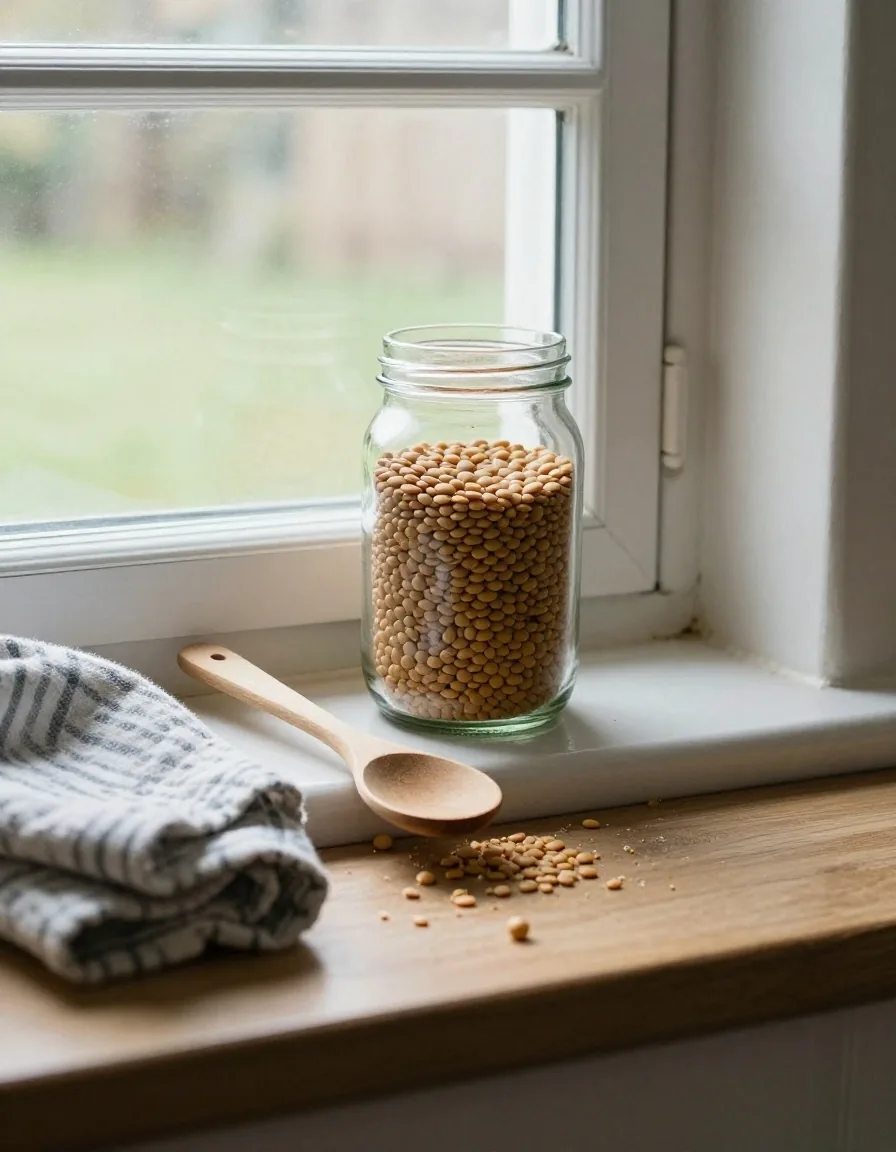
A working notebook, not a showroom kitchen.
Based in the United Kingdom
Who writes this site
About Rethink & Reuse
Rethink & Reuse is an independent UK resource for households trying to waste less. We write practical guides on zero waste living, kitchen swaps, upcycling, and composting, aimed at ordinary homes with ordinary constraints.
If you have ever felt that eco advice was written for someone with more time, space, or money than you, this site is for you. We are not a shop, a brand, or a campaigning organisation.
Who runs this site
A small editorial project, not a brand
Rethink & Reuse is run by a small team with a long-standing interest in low waste living and a background in practical writing. We are based in the UK, and the guidance reflects UK conditions: council collection rules, supermarket packaging, the climate, and the housing most people actually live in.
We are not affiliated with any manufacturer or retailer. Nobody pays for a mention, and no product placement appears on the site. It is just us, researching and writing. That shapes what we cover — a low waste home guide for a rented flat with a shared bin store looks different from one written for a house with a garden, and we try to write for the first case as often as the second.
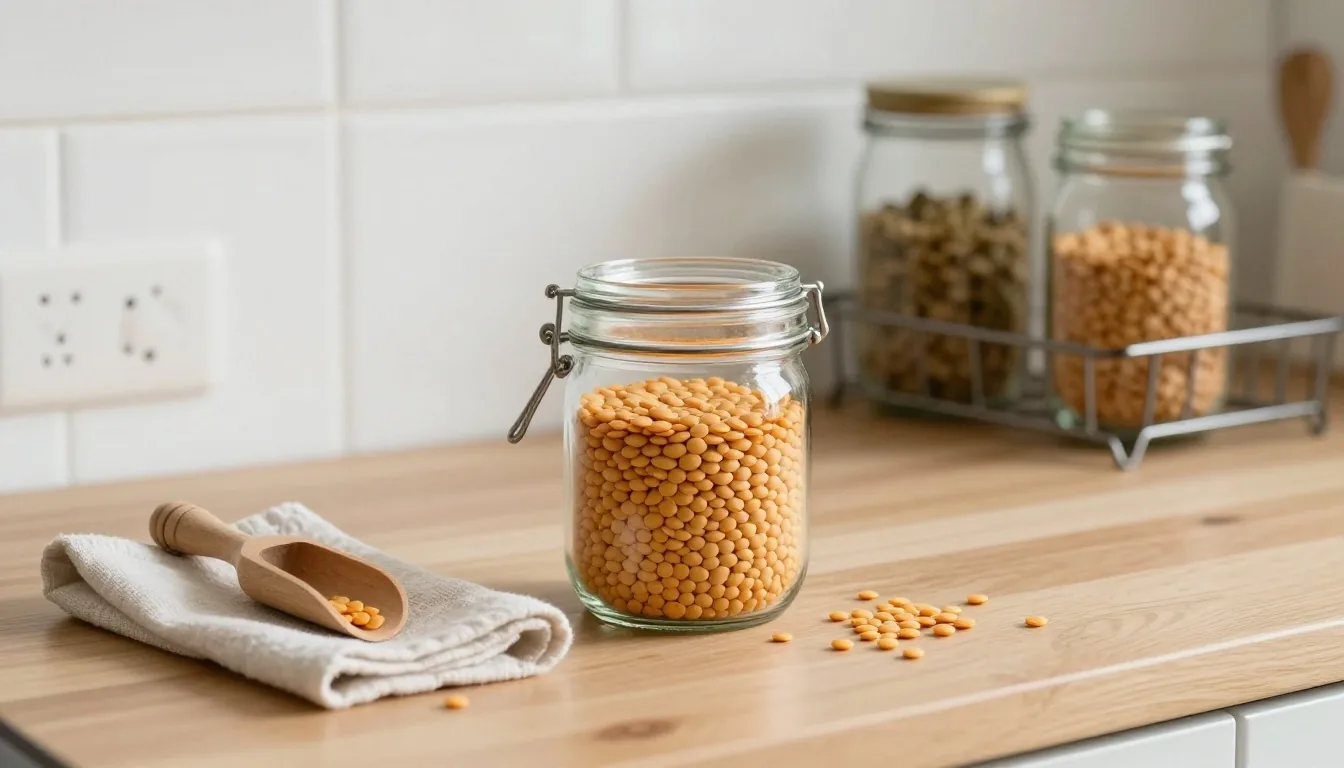
Photographed in our own kitchens, on ordinary weekdays, with the mess left in.
How we research and write
Questions a household would actually ask
Every guide starts with a question a household would realistically ask: how do I store bread without plastic, what can I compost, is this swap worth it. We answer from established practice, published UK waste guidance, and hands-on testing where we can do it.
We do not cite studies unless they are relevant and we can point you to them. We do not dress up preferences as facts. When something depends on your circumstances, we say so and explain the trade-off — which is why a plastic free food storage page will tell you when a glass jar is the wrong answer for your freezer.
The aim is that you can read a page and act on it, not that you finish it impressed by our credentials. Where a topic is unsettled, we would rather say so than pick a side and sound confident.
Our editorial approach
Plain and honest, even when it is inconvenient
We keep the advice plain and honest. If a popular swap is not worth the money, we say so. If a habit takes more effort than the internet admits, we flag it. We would rather tell you that something is hard than oversell it and have you give up on the whole idea of a low waste home.
Cost
A swap that costs more than it saves gets flagged as such, not rounded up into a recommendation.
What it costs
Effort
Weekly tasks that quietly collapse after a month are described as weekly tasks that collapse after a month.
What it takes
Evidence
No invented statistics, no fake certifications, no pretending a method is scientifically settled when it is not.
What we can back up
Uncertainty
Where we do not know, we say we do not know, and we tell you what would change our answer.
What we admit
Fit
Some swaps suit some homes and not others — flat vs house, freezer space, local collection rules.
Where it applies
What we do not do
No sales, no disguised sponsorship, no promises we cannot keep
- We do not sell products.
- We do not run sponsored content disguised as reviews.
- We do not claim partnerships or endorsements we do not have.
- We do not promise that any habit will save you a specific amount of money or waste, because that depends entirely on your household.
We also do not tell you that zero waste living is easy or that everyone can do everything. Some changes suit some homes and not others. We try to be clear about which is which — including when a plastic free alternative exists but is not worth buying.
How the site is funded
Funded by its own operation
The site is funded by its own operation rather than by advertising or affiliate deals. That keeps the recommendations independent and lets us tell you when something is not worth buying. If that changes, we will say so clearly on the page where it applies, not only in the footer.
Why it stays lean
Running a site like this costs money for hosting and time. Keeping it lean means we stay honest and the pages stay free to read — no paywall between you and a straightforward answer about compost, jars, or beeswax wraps usage and care.
Corrections and reader input
We would rather fix it than defend it
We get things wrong sometimes. If you spot an error, a broken link, or advice that does not match your local rules, tell us. We will check it and update the page.
Reader questions also shape what we write next. If a topic keeps coming up and we have not covered it, that is usually the next guide. The best way to reach us is the contact page.
What readers ask us to cover
- Composting food scraps at home
- How to buy in bulk without waste
- Creative upcycling ideas for small flats
- Reusable produce bags and food storage
Reader questions set the order of our writing, not a publishing calendar.
Questions we get asked
Independence, in plain terms
Do you accept sponsored posts or product placements?
Are you affiliated with any eco brands?
How often is advice written for UK conditions?
Can I suggest a topic worth covering?
Start with the guide that suits your kitchen
If you are new to this, the starter guide walks through a zero waste starter kit, the first kitchen swaps worth making, and how to tell the upcycling vs recycling difference. From there, sustainable lifestyle habits build up one room at a time.
Post
42 Bramley Road, London, N14 4HR, United Kingdom
Phone
+44 20 7946 0731
Monday to Friday, 9:00 AM – 6:00 PM; Saturday, 10:00 AM – 2:00 PM.